
Casa Mariol Vermut Negre is a popular dark or red vermouth produced in Catalonia, Spain. It is made by the Vaque family (Valls Vaque), who have specialized in winemaking for almost 100 years. Their particular approach to vermouth production can be described as artisanal and very traditional. In this review, we will explore the features of the recipe of such a popular drink, and also learn how to properly consume Casa Mariol Vermut Negre to enjoy its aroma and all the nuances of its original flavor.
Production Features: Key Secrets
Casa Mariol Vermut Negre is produced in Terra Alta, near Tarragona, in Catalonia, northeastern Spain. It is based on the Catalan Macabeo grape variety, which constitutes 100% of the vermouth. The juice undergoes a preliminary fermentation process in special stainless steel tanks. For this, the room is kept at a low temperature to preserve the freshness of the juice and its pronounced fruity flavor.
The selected Macabeo grapes are used to produce a natural grape spirit with neutral taste qualities. It is macerated with over 160 different plant-based components: rosemary, wormwood, green walnuts, cardamom, thyme, and orange zest.
Upon completion of wine fermentation, a blend is created. The vermouth is aged for 6 months using the “Solera” system in barrels that can be stored in cellars for up to 60 years.
Casa Mariol is a family winery with a rich history, so the approach to creating vermouth is based on experience verified over generations.
Casa Mariol Vermut Negre in the Bottle and in the Glass
The vermouth is bottled, with the optimal alcohol content of 15% indicated on each label. Thanks to subtle caramel notes, this drink has an unparalleled aroma, endowed with bright and “juicy” spicy notes that slightly “complicate” the taste of Casa Mariol Vermut Negre.
When pouring the vermouth into a glass, its exceptional shade immediately catches the eye – a dark mahogany. It is a deep and quite saturated brown color with a pronounced reddish undertone, reminiscent of mahogany wood or ripe berries like cherries. It gives the alcoholic drink a noble and elegant appearance, reminiscent of authentic port.
Inhaling the aroma of the vermouth, light notes of stewed fruits are perceived, which perfectly combine with a set of spices (e.g., cinnamon, cardamom). As a result, after the first sip, a rich taste with spicy and herbal notes is clearly felt. The drink leaves a long, pleasant aftertaste – an incredible “finish” with a slight bitterness and caramel shades.
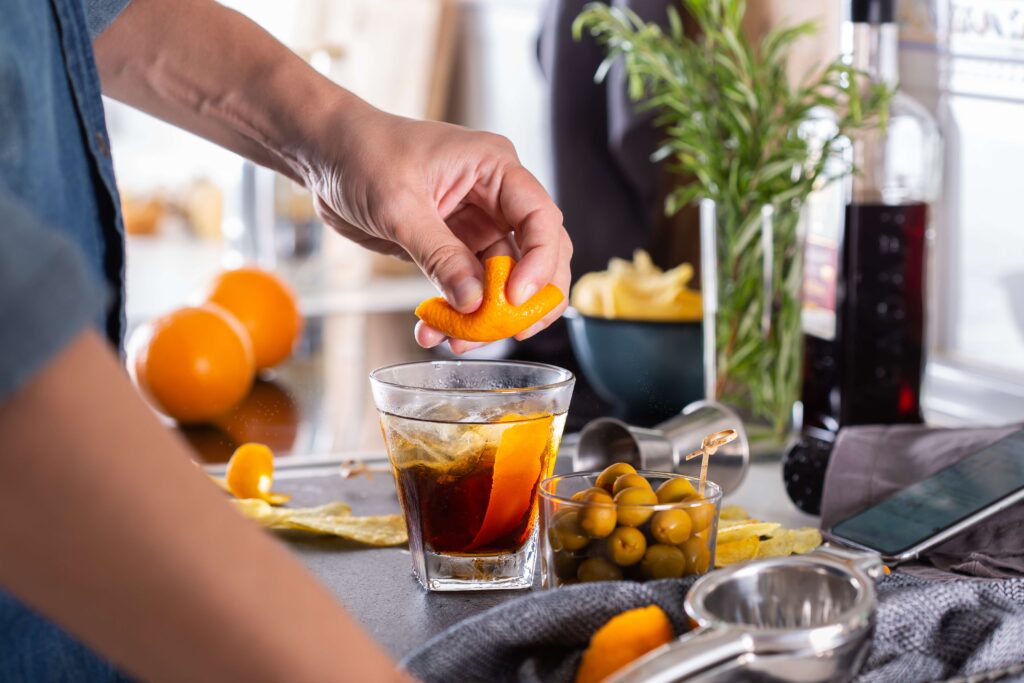
To truly discern all the shades and notes, it is recommended to drink Casa Mariol Vermut Negre neat. The glass is usually garnished with an orange slice and an olive – this is considered the classic serving in Spain.
Casa Mariol Vermut Negre is sold in original bottles, on which a label provides clear instructions on how to properly prepare various cocktails. This alcoholic drink is often used to create popular cocktails: for example, “Negroni”, “Manhattan”, as well as for variations of the “Hanky Panky” cocktail. To prepare the latter, equal parts of Mezcal (a traditional Mexican strong spirit obtained by distilling fermented juice from various agave varieties), Vermut Negre, and 2 drops of Fernet Branca are used.
Often, in a decanter, vermouth is mixed with dark rum, Angostura bitters, orange bitters, and ginger ale. This can be garnished with a sprig of mint, an orange/lemon slice.
Casa Mariol Vermut Negre – Artisanal Control at Every Stage
To understand what exactly makes Casa Mariol Vermut Negre a special drink, one should remember the artisanal control. Thanks to strict adherence to each of the stages, the necessary aromatic and flavor qualities of the vermouth are achieved.
The entire production process of the drink can be divided into the following important stages:
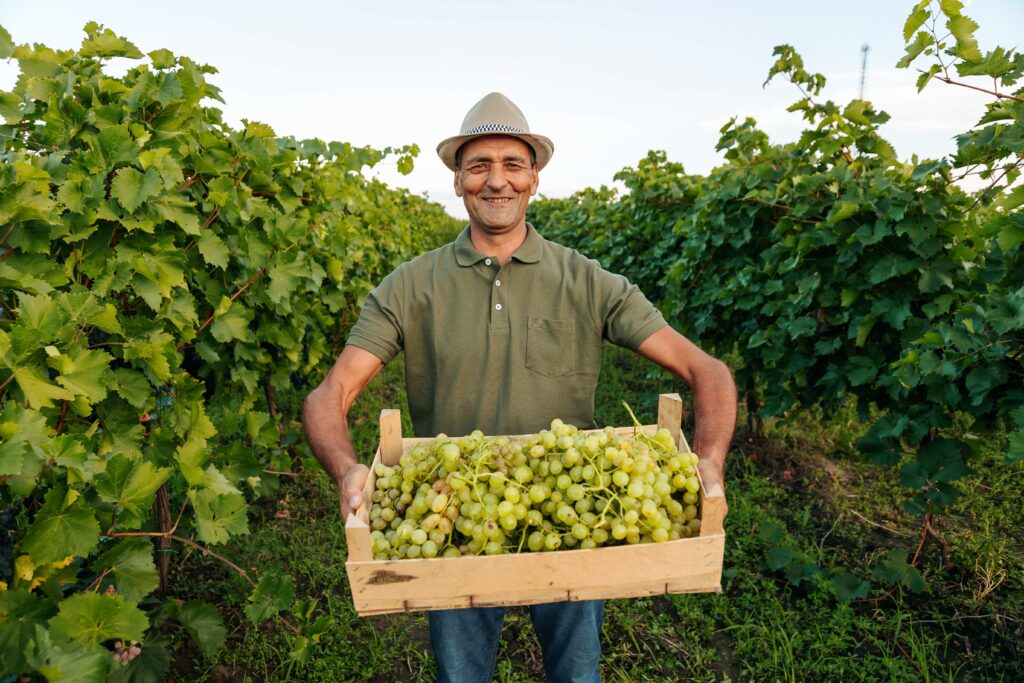
- Grape and Wine Selection. Wine forms the basis for vermouth production. For example, the Vaque family uses local grape varieties from Catalonia. To avoid damaging the berries and ensure their careful selection, the harvest is done manually.
- Aging and Aromatization with Herbs. Various natural herbs, spices, and citrus peels are added to the wine. To allow the wine to fully absorb all the flavors and aromas, the herbal infusion continues for several weeks. To obtain dark vermouth (Negre), caramelized sugar is added. As a result, the drink acquires its characteristic red hue and a sweetish taste with light bitter notes.
- Blending and Flavor Balancing. After the wine has infused with the herbs, it is filtered and then blended with other components. The main goal is to achieve a perfectly balanced flavor. The Vaque family manually regulates the level of sweetness and bitterness. Therefore, the finished vermouth has a soft taste while maintaining the necessary richness.
- Aging and Stabilization. To soften the taste of the drink and add subtle woody notes, it is aged in wooden barrels. After this, the vermouth undergoes a filtration procedure and is then bottled for convenient sale and further consumption.
Artisanal control is called the main feature of Casa Mariol Vermut Negre. The special approach to creating such a unique drink implies meticulous control: from grape harvesting to herbal infusion. Therefore, the finished alcoholic beverage is characterized by a complex aroma and has harmonious sweetness with a light and pleasant bitterness. All this makes the vermouth ideal for preparing cocktails or for independent consumption.
Using Vermouth: Neat or On the Rocks
Casa Mariol Vermut Negre is most often consumed neat or with the addition of ice cubes.
Choosing the “neat vermouth” option, the drink is poured into a glass from a bottle that should be at room temperature or slightly chilled. In most cases, small glasses or liqueur glasses are used to conveniently perceive the entire spectrum of aromas – spices, herbs, citrus.
Thanks to this method of consuming vermouth, one can enjoy the entire balance of sweetness and light bitterness, which is considered characteristic of dark vermouth.
The option of consuming Casa Mariol Vermut Negre on the rocks is also no less popular. With ice, the rich taste of the vermouth becomes softer, its sweetness decreases, allowing the citrus and spicy notes to be highlighted and emphasized.
Additionally, a lemon/orange slice can be used along with the ice to enhance the citrus aroma and thereby add a bit of freshness. This way of consuming the drink is especially popular in the summer season when one doesn’t want strong potency from the vermouth and can refresh themselves.
Popular Cocktails with Casa Mariol Vermut Negre
Casa Mariol Vermut Negre is often called one of the main components in various cocktails. The most famous cocktails are:
- Negroni. Vermouth is mixed with gin and red aperitif. In this case, the vermouth is responsible for pleasant sweetness and for a more complex and attractive aroma of the finished cocktail.
- Manhattan. Vermouth is mixed with bourbon/rye whiskey and dashes of bitters. In this cocktail, the vermouth is responsible for a rich, herbal, and sweetish, saturated flavor.
In the process of preparing other, no less famous cocktails, Casa Mariol Vermut Negre is most often used as an aromatic base thanks to the richness of its flavors and aromas. Vermouth helps replace simpler liqueurs in the composition, adding a complex, multifaceted taste to each cocktail that cannot be compared with other alcoholic beverages.